
A well-adjusted family protection dog develops through positive experiences, thoughtful training, and dependable guidance. Socialization helps dogs become comfortable around different people, environments, sounds, and everyday activities. Consistent instruction builds confidence while encouraging calm, respectful behavior within the household. When families make these elements part of daily life, dogs can develop strong relationships with their owners while maintaining appropriate protective awareness. A balanced approach also supports companionship, communication, and responsible behavior.
Why Socialization Matters for Family Protection Dogs
Socialization introduces dogs to everyday experiences in a controlled and encouraging manner. It helps them understand different situations without unnecessary excitement or uncertainty. Regular positive interactions support emotional development and create opportunities to practise good manners.
Important socialization activities include:
- Introducing dogs to friendly visitors through calm, supervised interactions.
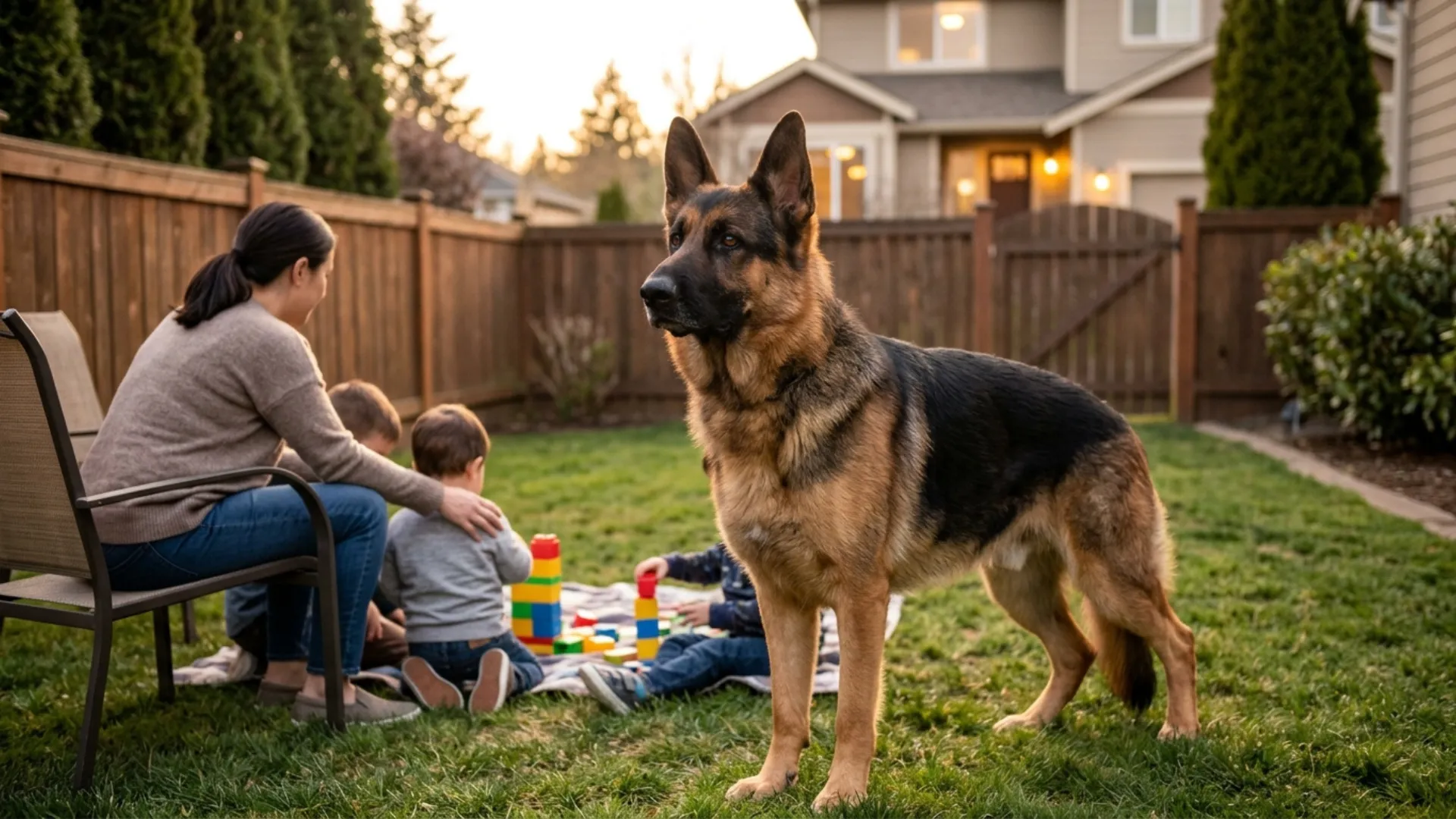
- Allowing positive experiences with children while maintaining appropriate supervision.
- Becoming familiar with household appliances and common background sounds.
- Practising relaxed walks in different surroundings.
- Encouraging polite greetings with familiar people.
- Introducing suitable interactions with other well-mannered dogs.
- Building confidence around everyday movements and activities.
These experiences help dogs respond thoughtfully instead of reacting impulsively. Gradual introductions, patience, and rewards make socialization more enjoyable and productive.
Consistent Guidance Builds Better Habits
Clear expectations help dogs understand what their families want from them. Consistent guidance makes everyday learning easier because the same commands, boundaries, and rewards are used regularly.
Families can strengthen training through several practical habits:
- Use simple commands with consistent words and gestures.
- Reward calm responses and appropriate behavior immediately.
- Practise obedience exercises through short, engaging sessions.
- Establish household boundaries that everyone follows.
- Encourage patience during feeding, greetings, and playtime.
- Reinforce recall, walking manners, and relaxed settling.
- Provide regular opportunities to practise previously learned skills.
Positive reinforcement creates enjoyable learning experiences and strengthens communication between dogs and their handlers.
Developing Trust Through Daily Interaction
Trust is an important part of a healthy relationship between a dog and its family. Dogs learn through repeated experiences, positive attention, and predictable routines. Families exploring https://wolfsbanek9.com/family-protection-dogs/ can appreciate how social development and dependable instruction contribute to a balanced household companion.
Helpful daily activities include:
- Spending quality time together through interactive games.
- Providing appropriate toys that encourage mental stimulation.
- Maintaining regular exercise and relaxation periods.
- Offering praise when dogs demonstrate desirable responses.
- Practising calm behavior when guests arrive.
- Encouraging comfortable rest in designated spaces.
These activities strengthen familiarity and make learning a natural part of family life.
Maintaining Progress Through Long-Term Commitment
Socialization and guidance should continue throughout a dog’s life. Regular practice helps maintain learned behaviors while introducing opportunities for further development.
Families can support continued progress by:
- Reviewing basic obedience commands regularly.
- Introducing new experiences at a comfortable pace.
- Monitoring body language during social interactions.
- Keeping training sessions enjoyable and rewarding.
- Ensuring every family member follows similar expectations.
- Seeking qualified guidance when additional training support is needed.
Conclusion
Family protection dogs benefit greatly from socialization, patience, and consistent guidance. Positive experiences help them become comfortable with everyday interactions, while structured training encourages dependable manners and communication. Families also contribute by providing affection, exercise, mental stimulation, and clear boundaries. With ongoing commitment, dogs can develop confidence while enjoying meaningful relationships with household members. A thoughtful approach creates opportunities for protection awareness, companionship, and balanced family living.