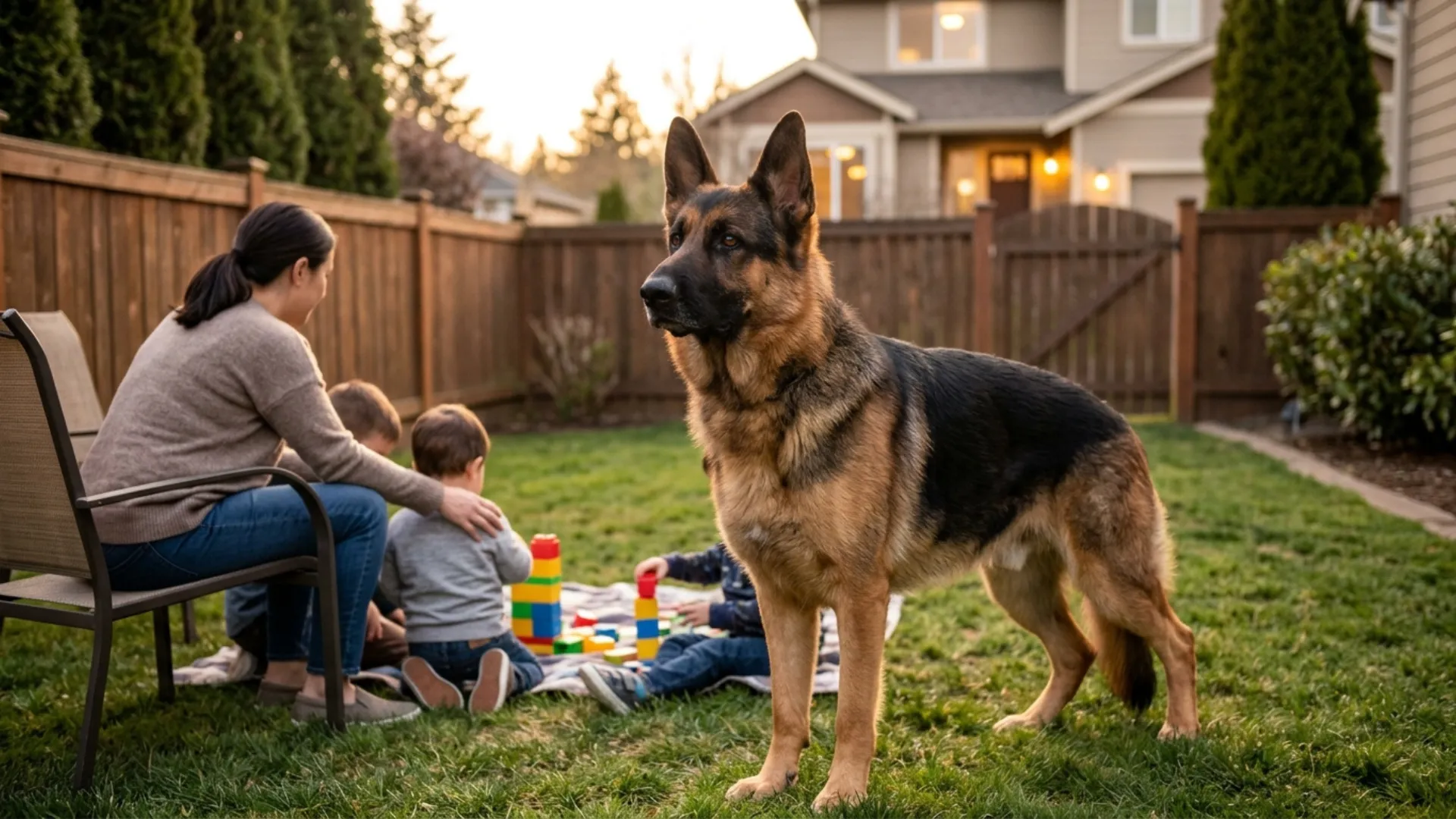
Natural Care Techniques Support Healthy Movement Throughout Animal Life
Healthy movement plays an important role in an animal’s happiness, comfort, and overall wellbeing. From playful early years to active adulthood and gentle senior years, animals benefit from thoughtful care that supports their changing physical needs. Natural care techniques focus on encouraging flexibility, balance, relaxation, and comfortable movement through gentle attention and suitable daily routines. With a compassionate approach, caregivers can help animals enjoy fulfilling and active lives.
Encouraging Natural Mobility And Flexibility
Comfortable movement allows animals to explore their surroundings, interact with others, and enjoy their favourite activities. Gentle care approaches emphasize natural body movement and support physical flexibility through attentive handling and individualized techniques. These practices can complement appropriate veterinary guidance and regular wellness care.
- Encourage comfortable walking, stretching, and everyday movement.
- Support natural flexibility through gentle physical techniques.
- Promote balanced posture and body coordination.
- Adapt care according to age, size, and activity levels.
- Create opportunities for relaxed and enjoyable physical activity.
Supporting Every Stage Of Animal Life
Physical needs naturally change as animals grow and mature. Young animals benefit from suitable movement opportunities, adults need consistent activity, and senior animals appreciate thoughtful attention to comfort and flexibility. Individualized care helps maintain positive daily experiences throughout these different life stages.
- Provide age-appropriate physical activities and exercise.
- Encourage healthy movement habits from an early age.
- Support mature animals with balanced daily routines.
- Give senior animals comfortable opportunities to remain active.
- Adjust care according to individual abilities and preferences.
Promoting Relaxation Through Gentle Techniques
Relaxation is an important part of maintaining physical comfort. Calm handling and peaceful surroundings can help animals feel secure while receiving appropriate care. Gentle approaches also allow caregivers to observe body language and understand how animals respond to different activities.
- Create a calm atmosphere during wellness sessions.
- Use reassuring interaction and patient handling.
- Encourage comfortable resting positions.
- Observe natural responses during physical activities.
- Include suitable relaxation periods within daily routines.
Building Healthy Everyday Movement Habits
Consistent routines can make a meaningful contribution to animal wellbeing. Combining suitable exercise, balanced nutrition, comfortable resting spaces, and regular professional assessments encourages a healthy lifestyle. Small positive habits can support mobility and help animals remain confident in their daily activities.
- Provide regular opportunities for outdoor exploration.
- Include enjoyable activities suited to individual abilities.
- Maintain balanced nutrition and fresh drinking water.
- Offer supportive resting areas for relaxation.
- Schedule appropriate veterinary wellness assessments.
Creating A Positive Future For Animal Wellbeing
A thoughtful approach to animal care recognizes that every animal deserves attention suited to its unique needs. Natural techniques can complement professional healthcare by supporting comfortable movement, physical awareness, and relaxation. Resources such as sarah-osteopathe-animalier.fr can be explored when learning about gentle approaches to animal wellbeing.
Through patience, consistent attention, and compassionate care, caregivers can encourage healthier daily habits at every life stage. Prioritizing comfort and appropriate professional guidance helps animals enjoy movement, discover their abilities, and experience rewarding moments with greater confidence and freedom.