
Modern vehicles incorporate advanced safety technologies designed to support drivers and create more comfortable driving experiences. Advanced Driver Assistance Systems (ADAS) use cameras, sensors, and electronic components to monitor surrounding conditions and provide helpful driving information. Accurate ADAS calibration ensures these components maintain their intended positioning and functionality. Professional calibration services contribute to dependable system performance, improved driving confidence, and a more comprehensive approach to modern automotive safety.
Understanding The Importance Of ADAS Calibration
ADAS calibration involves adjusting and aligning vehicle safety sensors and cameras according to their required specifications. Proper alignment helps these technologies interpret surrounding conditions accurately and deliver appropriate information to drivers.
Several important benefits make calibration an essential part of modern vehicle maintenance:
- Supports accurate camera positioning and sensor alignment.
- Helps maintain reliable detection of surrounding objects.
- Encourages consistent operation of driver assistance features.
- Supports dependable performance after windshield replacement.
- Helps preserve the intended functionality of safety technologies.
Advanced Technology Supports Modern Driving Safety
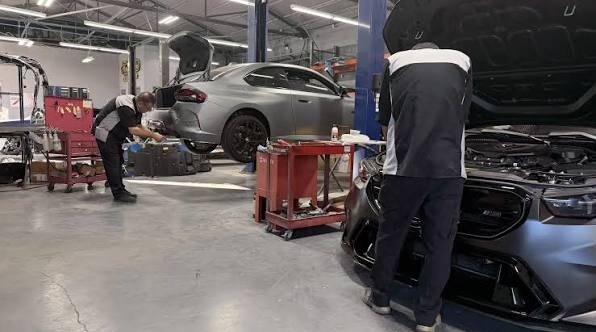
Modern assistance systems combine different technologies to provide valuable information about road conditions and nearby vehicles. Cameras, radar sensors, and other electronic components work together to support driver awareness and convenient vehicle operation.
Accurate calibration helps maintain the coordination between these important components.
- Forward-facing cameras assist with lane-related information.
- Radar sensors support distance and vehicle detection.
- Parking sensors provide helpful proximity information.
- Automatic emergency braking systems support collision avoidance.
- Adaptive cruise control assists with maintaining selected distances.
Professional Calibration After Automotive Repairs
Vehicle repairs and component replacements can affect the positioning of sensitive ADAS equipment. Professional calibration helps restore the required alignment and supports the intended operation of these advanced technologies.
Following suitable procedures ensures that safety-related components receive careful attention throughout the repair process.
Common situations requiring calibration include:
- Windshield replacement involving forward-facing cameras.
- Collision repairs affecting vehicle structures or sensor positions.
- Suspension adjustments that influence vehicle alignment.
- Replacement of cameras, radar units, or related components.
- Manufacturer-recommended maintenance involving ADAS equipment.
Vehicle owners seeking detailed information about professional calibration services can explore https://juielsautoclinic.com/adas-calibrations/ to understand the importance of accurate sensor alignment and modern automotive safety support.
Static And Dynamic Calibration Methods
Different vehicles require specific calibration procedures depending on their technology and manufacturer guidelines. Static calibration uses carefully arranged targets and controlled workshop conditions, while dynamic calibration involves driving under specified conditions so the system can complete its adjustments.
Both methods support accurate system operation when performed according to applicable requirements.
- Static calibration provides controlled sensor alignment.
- Dynamic calibration supports adjustments during specified driving conditions.
- Target positioning helps maintain measurement accuracy.
- Diagnostic inspections identify relevant calibration requirements.
- Post-calibration checks help verify system functionality.
Maintaining Reliable ADAS Performance
Regular attention to advanced safety components helps preserve their intended operation throughout vehicle ownership. Professional inspections and appropriate calibration procedures support consistent functionality and dependable driving assistance.
Helpful maintenance practices include:
- Scheduling inspections after relevant automotive repairs.
- Following manufacturer-recommended calibration guidelines.
- Keeping camera areas clean and unobstructed.
- Monitoring dashboard notifications related to assistance systems.
- Addressing calibration requirements whenever components are replaced.
Building Confidence Through Accurate Calibration
Accurate ADAS calibration plays an important role in maintaining modern vehicle safety technology. Proper sensor alignment, professional inspections, and suitable adjustment procedures support reliable assistance features and improved driving awareness. By prioritizing calibration quality, vehicle owners can enjoy the benefits of advanced automotive technology, greater confidence, and a comfortable driving experience.